
Maintaining a lush, vibrant lawn in the Salt Lake City region during the height of July and August is a feat of precision. As temperatures climb and the persistent mountain sun beats down on your turf, the physiological needs of the grass change fundamentally. For professional landscapers and dedicated home gardeners, the approach to nutrition must shift from the aggressive growth-focused strategies of spring to a protective, resilience-based philosophy. Understanding how to navigate fertilization during these peak conditions is the difference between a resilient landscape and one that succumbs to summer dormancy or chemical burn.
The intense heat typical of the Wasatch Front creates a high-stress environment where your turf is working harder just to stay hydrated and cool. During this period, the type and timing of your nutrient applications are critical to preventing long-term damage. If you are looking for specific product recommendations or seasonal schedules, the experts at BioGrass Sod Farms have developed a comprehensive resource to help you select the best summer lawn fertilizer to keep your grass thriving despite the heat. By following a tailored plan, you can ensure your lawn remains the centerpiece of your landscape without risking the health of the root system.
Read on to learn more, or contact us for more info on our wide selection of fertilizer products!
Avoiding Over-Fertilization
One of the most common mistakes made during peak summer is maintaining the same fertilization frequency used during the temperate spring months. High temperatures naturally increase the metabolic stress on sod. When you introduce high-nitrogen fertilizers during a heatwave, you are essentially forcing the plant to produce new top growth at a time when it should be focusing on survival and root maintenance. This forced growth can exhaust the plant’s carbohydrate reserves, leaving it weakened and more susceptible to pests and disease.
Furthermore, the risk of fertilizer burn is significantly higher when the thermometer spikes. Nitrogen salts require moisture to break down and move into the soil profile. In the absence of adequate water, or in the presence of extreme heat, these salts can dehydrate the grass blades and crowns, leading to unsightly yellowing or permanent desiccation. During the hottest weeks of the Salt Lake summer, it is often more beneficial to lean toward a “less is more” approach, ensuring that any summer lawn fertilizer used is applied sparingly and with a focus on stability rather than rapid growth.
Timing Applications
The window of opportunity for applying nutrients narrows as the days get longer and hotter. To minimize stress on the turf and maximize the efficiency of your application, timing is everything. Applying fertilizer in the middle of a blazing afternoon is a recipe for disaster; not only is the plant under peak transpiration stress, but the risk of nutrient loss through volatilization increases.
The ideal time for application is in the early morning hours, just as the sun is rising. During this time, the ambient temperature is at its lowest, and the grass is often covered in dew, which can help the granules settle. Alternatively, late evening applications after the sun has dipped below the Oquirrh Mountains can be effective, provided the turf has enough time to dry before nightfall to prevent fungal issues. By avoiding the heat of the day, you reduce the immediate chemical stress on the grass and ensure that your summer lawn fertilizer has the best chance of reaching the root zone before the water used to wash it in evaporates.
Choosing the Right Blend
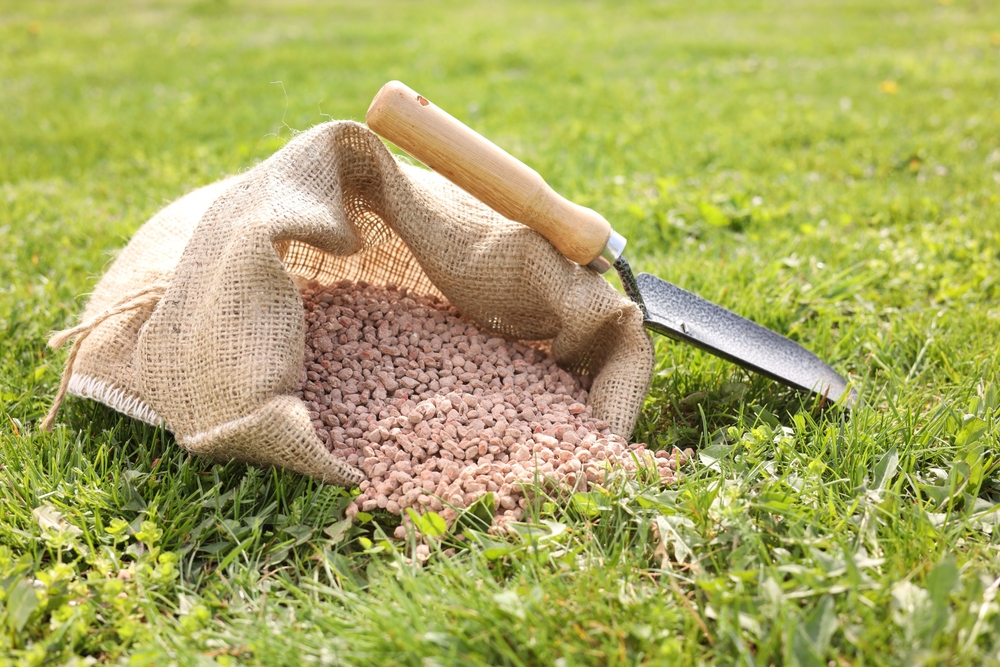
In the heat of mid-summer, the nutritional analysis on the bag matters more than ever. While spring blends are often heavy on nitrogen for color and growth, summer blends should prioritize slow-release technology. These products break down gradually over several weeks, providing a steady, low-level stream of nutrients rather than a sudden spike that could trigger a growth surge and subsequent heat stress.
A balanced blend with a higher concentration of potassium (the third number on the N-P-K scale) is particularly advantageous for Utah lawns in July. Potassium acts as a cellular regulator, helping the grass manage water more efficiently and strengthening the cell walls against heat and foot traffic. Using a high-potassium summer lawn fertilizer provides the internal armor your lawn needs to resist drought conditions. Look for products specifically formulated for the alkaline soils of the Intermountain West to ensure the nutrients remain available to the plant even in high-pH environments.
Supplement With Cultural Practices
No fertilization program can succeed in a vacuum, especially when the Salt Lake City climate is at its most demanding. To support your nutrient program, you must integrate proper cultural practices. Raising your mowing height is one of the simplest yet most effective ways to protect your lawn. Taller grass shades the soil, reducing evaporation and keeping the root zone cooler.
Additionally, ensuring your irrigation system is calibrated for deep, infrequent watering encourages roots to grow deeper into the soil, where it is cooler, and moisture is more consistent. If your soil has become compacted, a mid-season aeration can help oxygen and water reach the roots, making your summer lawn fertilizer significantly more effective. By combining these physical maintenance steps with a disciplined approach to chemistry, you create a holistic environment where your sod can survive the peak summer heat and emerge into the fall with its health and density intact.
If you have questions about your specific fertilizer needs or want to schedule a consultation, feel free to contact us at BioGrass Sod Farms for professional guidance. Our team is always here to help with summer lawn fertilizer and related needs around SLC!