
Drainage is a vital concept for any kind of garden or plant setup, and this is certainly the case if you’re using sand or gravel for your drainage needs. Specifically, what should you be thinking about when it comes to gravel or sand depth for drainage, depending on the plant type you’re using?
At BioGrass Sod Farms, we’re proud to offer a wide range of rock and sand products for clients around Salt Lake City, including those hoping to use these materials for drainage within their garden. Here are some general rules on gravel or sand depth for drainage, plus some tips on the sort of depth to use for specific kinds of plants or settings that are common in many gardens.
General Drainage Layer Rule
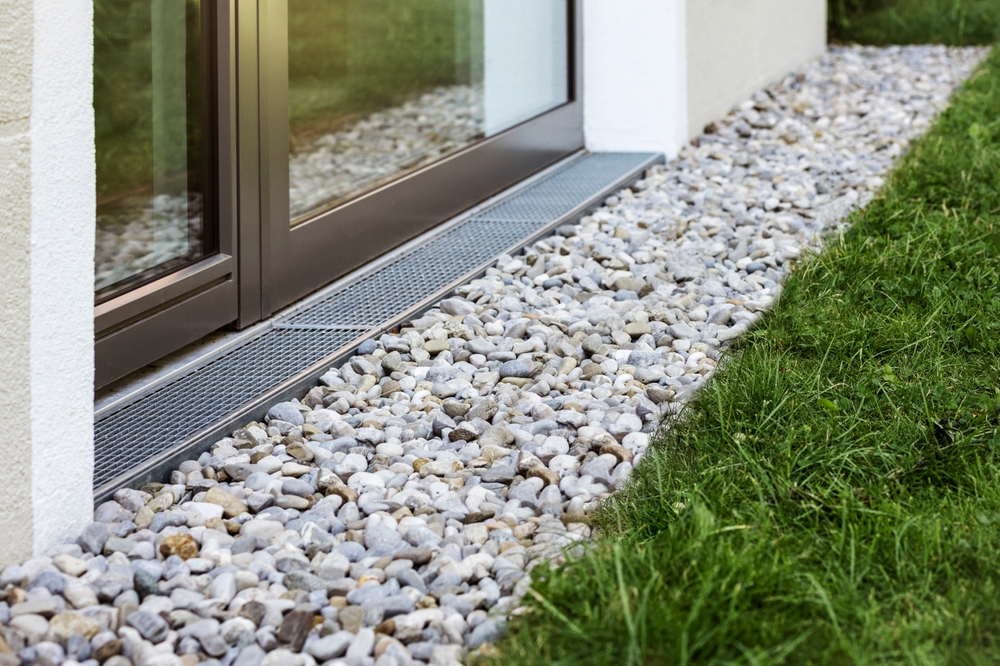
If you’re using gravel for drainage, you need to have a depth of gravel that is four inches deep at the very least. However, the best drainage systems come from layers of sand and gravel that are 12-18 inches in overall depth. This helps ensure proper drainage while also providing stability for plants above.
If you’re using sand, on the other hand, you only need a depth of one or two inches. Sand does not hold water as well as gravel, so it doesn’t require as much depth for proper drainage.
Now let’s dig into a few specific kinds of plants to get a bit more nuanced.
Cacti and Succulents
For cacti and succulents, the ideal mix for drainage will typically be a combination of sand and gravel that helps ensure quick drainage. Cacti and succulents are hardy plants that thrive in dry, well-drained conditions. They store water in their leaves or stems, so they don’t need as much moisture as other types of plants.
Mix a combination of sand and gravel together using a 1:1 ratio and use it as the drainage layer for your cacti and succulents. This will help mimic their natural habitat and promote healthy growth. We recommend 4-6 inches of depth for this combination, ensuring proper drainage for your plants.
Perennials and Annuals
For those looking for the ideal sand or gravel drainage for their perennials and annuals, sand is generally the route to go. Coarse sand mixed into your soil surfaces will promote better drainage for these types of plants, helping to prevent root rot and overwatering. This mixture should be used in areas where the soil is heavy or dense, allowing for better air flow and water filtration.
The depth of such mixes should generally be pretty limited – usually one or two inches of coarse sand mixed into soil will be fine. In some cases, like with cacti and succulents, a deeper layer of sand can be used to create a better-draining environment for these plants that are susceptible to root rot. Sand also helps to keep the soil loose and airy, preventing compaction, which can hinder plant growth.
Trees and Shrubs
To avoid issues like perched water tables, tree and shrub planting should actually not focus on deep gravel or sand layers. Rather, it should focus on amending existing native soil with organic matter, like compost or aged manure.
This will help to improve the overall soil structure and drainage while still allowing for adequate water retention. Trees and shrubs should also be planted at the same depth as they were in their containers or root balls, with no added fillers or amendments under or around the roots.
Planters and Raised Beds
What about gravel or sand depth for drainage when using a planter or raised bed? Many experts recommend adding a layer of gravel or sand at the bottom of these types of containers for drainage, but this is not always necessary.
Instead, make sure that your planter or raised bed has adequate drainage holes and fill it with a mixture of compost and native soil. This will provide a good balance of water retention and drainage for your plants.
Importance of Quality Gravel or Sand
If you’re using a gravel or sand mixture for any kind of plant drainage, it’s important to choose a high-quality product. Low-quality gravel or sand can contain harmful chemicals or contaminants that can harm your plants. It’s always best to source your materials from a reputable supplier.
Additionally, using high-quality gravel or sand will also ensure that the drainage layer does not become compacted over time. This can lead to poor drainage and waterlogged soil, which is not ideal for most plants.
At BioGrass Sod Farms, we’re here to offer a huge range of rock and sand products for clients around SLC. Contact us today to learn more or get started!