
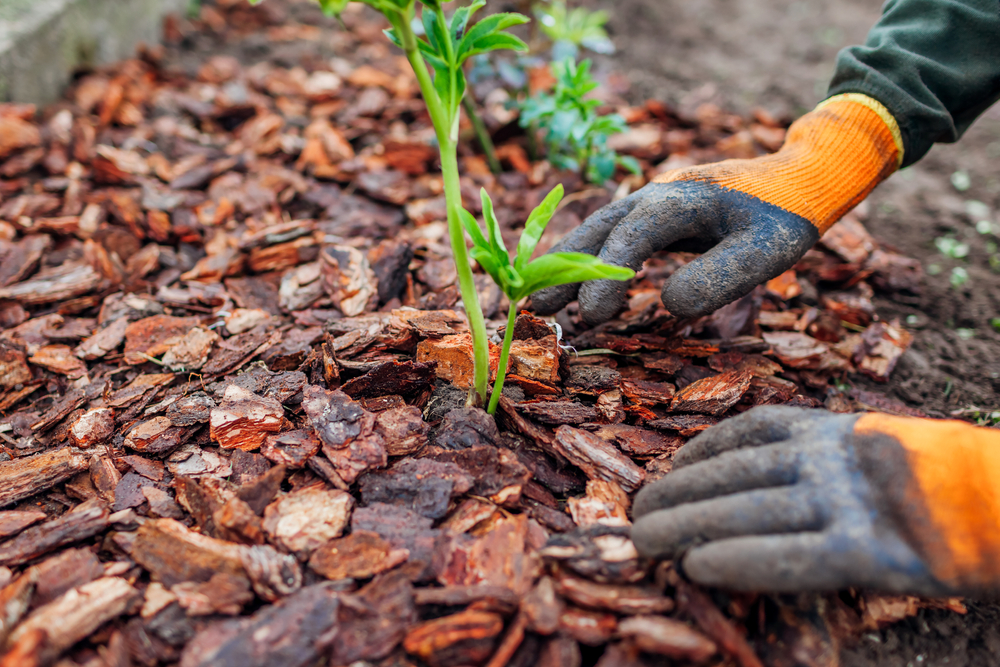
Certain common elements of gardens or landscapes may decompose with time and require replenishment, and mulch is one of the top examples. How can you identify the mulch decomposition rate for any mulch you’re using in your landscape, and how should you plan replenishment timing?
At BioGrass Sod Farms, we proudly offer a huge selection of premium brown mulch and other mulch varieties for any need around Salt Lake City. Here are some of the factors that play a role in mulch decomposition rate, plus some signs that mulch replenishment should likely be on your list of to-dos in the near future.
Mulch Material is Important
When it comes to the mulch decomposition rate for your mulch, the variety being used matters quite a bit. Here are some average decomposition times for a few common mulch types:
- Bark chips: Bark chips have an excellent lifespan, typically lasting 2-4 years before needing to be replenished.
- Hardwood chips: Hardwood chips generally have a similar lifespan to bark chips, lasting 2-3 years before decomposing.
- Straw/leaf mulch: However, organic mulch like straw or leaves will break down much more quickly, typically lasting only 6-12 months depending on other factors.
Influence of Climate
Your climate is also key to determining how often you need to replenish your mulch. Heat is the key factor here: Hotter areas tend to break down mulch much faster than cooler ones, largely due to the increased microbial activity and decomposition rates in warmer weather. So if you live in a warm climate, you may need to replenish your mulch more frequently than someone who lives in a cooler climate.
- Hotter areas: In hot climates, such as the southern United States or tropical regions, mulch may need to be replenished every 6-12 months.
- Cooler areas: In cooler areas like the northern United States or Canada, mulch can typically last 1-2 years or even longer before needing to be replaced.
Influence of Rainfall
Rainfall is another factor that affects how often you should replenish your mulch. Too much rain can cause mulch to break down faster, leading to more frequent replacements. On the other hand, areas with low rainfall may require less frequent replenishment. It is important to monitor your mulch regularly in order to determine if it needs to be topped off due to excessive rain or dry conditions.
Thickness Guidelines
The thickness of the mulch you choose will also play a role in how quickly it decomposes. Mulch that’s too deep will take longer to break down, while mulch that’s too thin will decompose more quickly. It’s important to follow thickness guidelines for the type of mulch you are using in order to maintain a healthy layer and promote optimal decomposition.
For most typical landscaping needs, 2-3 inches of mulch depth is recommended. For organic mulches such as wood chips or shredded bark, 3-4 inches may be needed to retain moisture and suppress weed growth. Inorganic mulches like gravel or stone should be kept at a thickness of 1-2 inches.
Signs Mulch Replenishment is Needed
Here are some potential signs that it could be time for mulch replenishment:
- Major fading: While a small amount of color fading is normal, major fading can indicate that the mulch has broken down too much and is no longer providing adequate protection for your soil.
- Thinning mulch: If you notice that your mulch is significantly thinner than when it was first applied, it may be time to add a fresh layer.
- Layer is under 1 inch: As mentioned earlier, a recommended thickness for mulch is 1-2 inches. If your layer is under 1 inch, it may not provide enough coverage for weed control and moisture retention.
- Compacted mulch: If your mulch appears to be compacted or tightly packed together, it can limit air and water circulation. This can lead to a build-up of fungus and other harmful microorganisms that can damage your plants. Replenishing it will help avoid this.
As you can see, there are a few basic areas to consider when it comes to mulch decomposition rates and replenishment timing. At BioGrass Sod Farms, we’re here to provide the best premium brown mulch and other high-quality mulch types for any such need in SLC – contact us today for more information or assistance with finding the right mulch type for your specific needs. Our team is standing by to take your call and help you find the ideal mulch replenishment.