

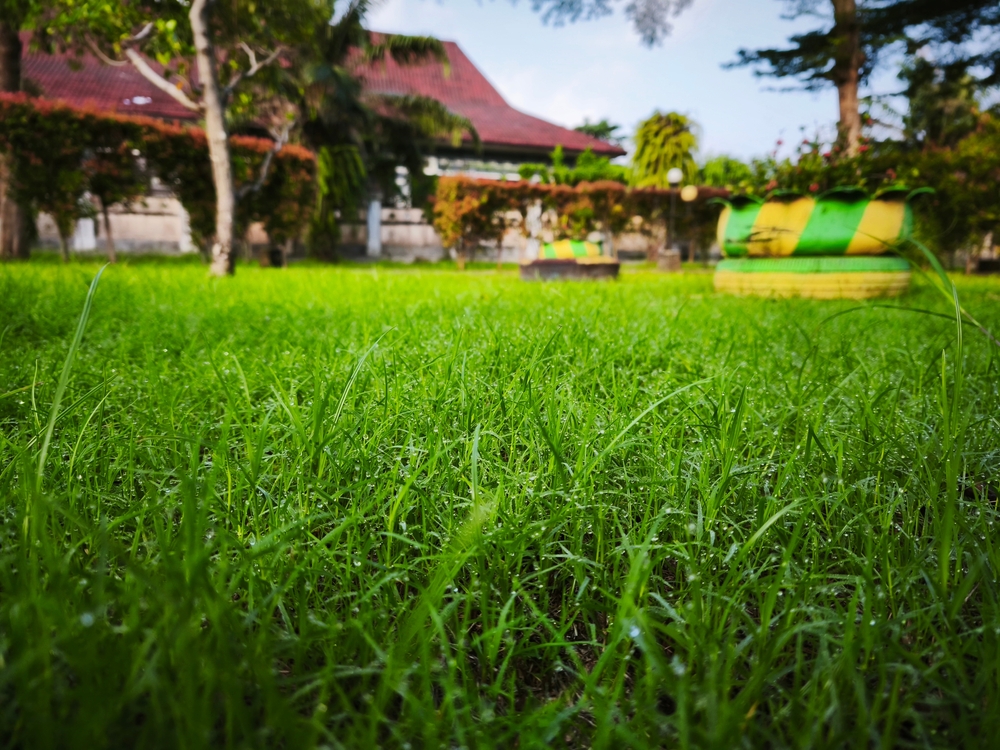
The arrival of a fresh, emerald-green lawn is a rewarding moment for any Salt Lake City homeowner or landscaping professional. However, the initial weeks following installation are the most critical for the long-term viability of the turf. While irrigation is the primary focus during this establishment phase, more water isn’t always the universal cure for a struggling yard.
Recognizing specific lawn stress signs early can be the difference between a thriving outdoor space and an expensive failure. In the arid climate of the Wasatch Front, environmental factors often complicate the rooting process, requiring a more nuanced approach than simply turning up the dial on your sprinkler controller.
At BioGrass Sod Farms, we emphasize that a successful installation relies on a holistic management strategy that balances hydration with soil health and structural integrity. If you find yourself questioning the health of your turf during these early stages, our new lawn guide provides the comprehensive roadmap needed to navigate the nuances of local soil conditions. Using a new lawn guide can help you distinguish between temporary transplant shock and more severe systemic issues that require immediate intervention.
Here are some possible lawn stress signs that signal your grass may need more than just water.
Uneven Growth Patterns
When a lawn is healthy, it should exhibit a uniform texture and consistent vertical growth across the entire surface. If you notice localized patches of weak or yellowing grass while the surrounding areas remain vibrant, you are likely looking at more than just a dry spot. These uneven growth patterns are classic lawn stress signs that often point toward compacted soil or localized nutrient deficiencies. In the Salt Lake Valley, heavy clay content in the soil can prevent roots from penetrating deep enough to access the minerals they need, regardless of how much water is applied to the surface.
Yellowing, specifically, often indicates a lack of nitrogen or iron, which are essential for chlorophyll production. If the soil was not properly amended prior to the sod being laid, the grass may exhaust its internal reserves quickly. In these instances, the “weak” patches are essentially starving. Applying more water to a nutrient-deficient area can actually exacerbate the problem by leaching away what few nutrients remain in the top layer of the soil. Monitoring these patterns is a vital part of following a new lawn guide, as it allows you to address the root cause before the patch dies off completely.
Persistent Wilting
It is natural for new sod to show minor signs of wilting during the heat of a Utah afternoon, but it should recover quickly once the sun sets or after a scheduled irrigation cycle. If you observe persistent wilting that does not improve with moisture, it is a significant red flag. This phenomenon often suggests that the roots are not developing properly or that the soil is suffering from poor drainage.
When soil is over-saturated due to poor drainage, the roots are essentially drowned, losing their ability to take up oxygen and water. This creates a paradoxical situation where the grass appears thirsty because its roots are too damaged to function.
To check for this, professionals often use a soil probe or a long screwdriver to test the resistance and moisture levels beneath the thatch. If the soil is muddy but the blades remain curled and blue-gray, you are seeing advanced lawn stress signs. This disconnect between surface moisture and plant health is a primary reason why we encourage customers to consult our new lawn guide to understand proper soil preparation.
Without a porous, well-aerated base, even the highest quality sod will struggle to establish the deep root system required to survive the local climate.
Weed Invasion
A healthy, dense carpet of sod is the best natural defense against invasive species. When a new lawn is properly nourished and established, there is no physical space or available sunlight for weed seeds to germinate. However, if you begin to see a weed invasion in a recently installed area, it is a symptom of a thin and struggling canopy. This thinning is often the result of the grass not receiving the specific nutrients required to “knit” together.
Weeds are opportunistic; they thrive in the gaps left by weak sod, signaling an urgent need for fertilization or soil correction. In Salt Lake City, common invaders like dandelions or crabgrass can quickly overtake a new installation if the turf’s vigor is low. Relying solely on water to “outgrow” weeds is a common mistake. Instead, this should be viewed as one of the major lawn stress signs indicating that the turf is losing the competition for resources.
Addressing this requires a shift in strategy, focusing on strengthening the grass plants themselves so they can naturally crowd out the intruders. Following the protocols in a new lawn guide can help you determine the right timing for interventions that support the grass without harming the young, tender roots.
Corrective Steps
If your lawn is exhibiting these symptoms, the first step is to move beyond guesswork. Conduct a soil test to determine the exact pH and nutrient levels of your yard; this eliminates the risk of applying the wrong amendments. If compaction is the culprit, localized aeration may be necessary, though it must be done carefully on new sod to avoid tearing the mesh or root structure.
Adjusting your irrigation cycles is also paramount. Instead of frequent, shallow watering, transition to deeper, less frequent sessions that encourage the roots to reach downward into the cooler soil. Applying a high-quality starter fertilizer can provide the phosphorus boost necessary for root expansion, while overseeding any bare spots can help restore density before weeds take hold. By staying vigilant and responding to these lawn stress signs with precision, you ensure your investment remains a permanent fixture of your landscape.
If you have questions about your specific site conditions or need professional advice on recovery, the team at BioGrass Sod Farms is here to help. We encourage you to reach out and contact us for personalized recommendations to keep your project on track or for high-quality lawn products. For more detailed instructions on maintenance, remember to keep your new lawn guide handy throughout the first growing season!