
Transforming your landscape with fresh sod is an investment that immediately upgrades the value and aesthetic of your property. However, the period following installation is critical for ensuring those vibrant green rolls transition into a permanent, healthy lawn. Proper care during the first month determines whether your grass thrives for years or struggles to survive the Utah climate.
Understanding the essentials of new sod care is the best way to protect your outdoor investment. If you are looking for the highest quality turf and expert advice in the Salt Lake City area, the team at BioGrass Sod Farms is ready to assist you. For a comprehensive walkthrough of every step in the process, please refer to our New Sod Care Guide. Here are some basics!
Root Establishment Check
The most reliable way to determine if your lawn is becoming a permanent part of your landscape is through a manual physical assessment. Professionals often refer to this as the tug test because it involves checking the connection between the grass and the soil beneath. You should wait at least ten days before attempting this to give the delicate root filaments a chance to begin their journey into the earth.
To perform the test, choose several different areas of the lawn and gently grasp the blades of grass near the corners of the sod strips. Give a steady, upward pull to see if the piece lifts easily or if you feel a firm resistance from the ground. Resistance is a clear signal that the roots have successfully knit into the topsoil. If the sod lifts without effort, it requires more time and consistent moisture to complete the establishment phase.
Visual Cues
While physical tests are vital, your lawn will also communicate its health through its overall appearance and growth patterns. Monitoring these changes daily allows you to adjust your hydration schedule and identify any areas that might be struggling. Use the following visual indicators to gauge the progress of your new sod care routine.
- Uniform green color: A consistent, deep green hue across the entire yard indicates that the plants are receiving adequate nutrients and water. If you notice yellowing or “blue-gray” patches, it is often a sign that the roots are experiencing moisture stress. Maintaining this color is a primary goal during the initial weeks after the installation is complete.
- Upright growth: Healthy blades should stand tall and resilient rather than laying flat or appearing wilted. When the grass maintains an upright posture, it shows that the internal cellular pressure of the plant is optimal. This is a strong indicator that your current new sod care application is working effectively for your specific environment.
- Filling seams: As the grass matures, the visible lines between the individual sod strips should begin to disappear. The lateral growth of the blades and the expansion of the root system work together to knit the pieces into a seamless carpet. Once these gaps are fully closed, the lawn becomes much more resistant to weeds and temperature fluctuations.
Timeframe Guidelines
The journey from fresh installation to a fully established lawn typically follows a predictable schedule, though nature always has the final word. On average, most varieties will achieve a basic level of establishment within two to three weeks of hitting the ground. During this window, the focus remains entirely on hydration and minimizing foot traffic to protect the fragile new growth.
However, these timeframes can shift based on the specific season and the variety of grass you have chosen for your Salt Lake City property. Cooler spring or fall temperatures may encourage faster rooting for certain blends, while the intense heat of a Utah summer requires more diligent watering. Consulting a new sod care guide can help you navigate these seasonal variations to ensure your lawn stays on the right track.
Mowing Readiness and Tips
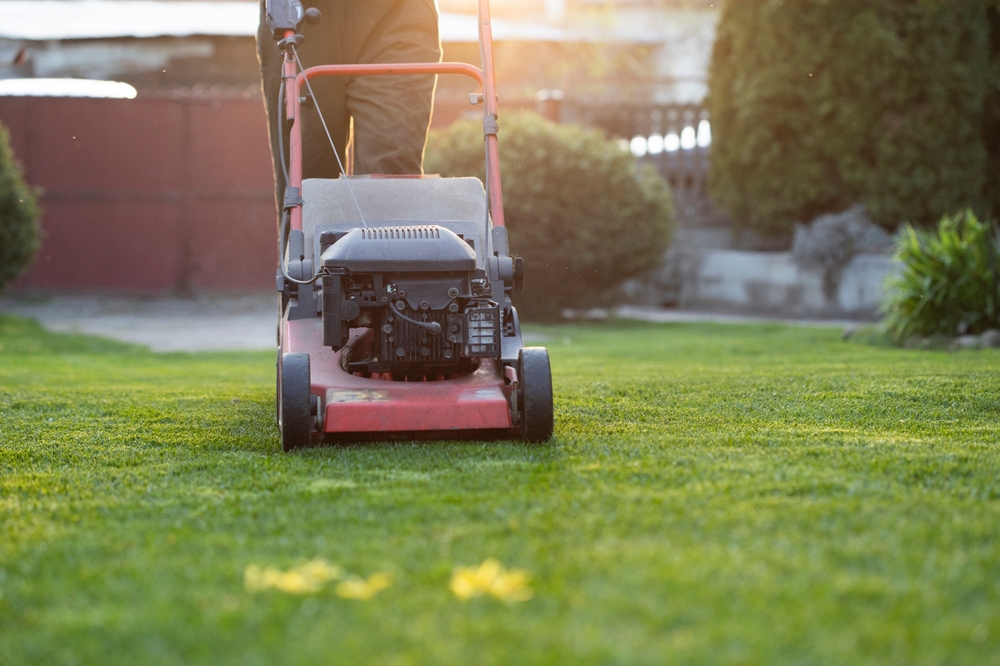
The first mowing is a major milestone in your lawn’s development, but it must be approached with caution to avoid damaging the young plants. You should only consider bringing out the mower once the roots have firmly attached and the grass has reached a specific height. Follow these guidelines to ensure the first cut promotes health rather than causing setbacks.
- First mowing height: You should wait until the blades have reached a height of three to four inches before performing the first trim. Cutting too early can pull the unestablished sod right out of the ground or scalp the crown of the plant. This height ensures the grass has enough surface area to continue photosynthesis while it recovers from the cut.
- Sharp blade requirement: It is essential to use a mower with freshly sharpened blades to ensure a clean, crisp slice through the grass. Dull blades tend to tear the grass, which creates jagged edges that are susceptible to disease and pests. A clean cut allows the plant to heal quickly and maintain its vibrant appearance throughout the season.
- The one-third rule: You should never remove more than one-third of the total height of the grass during a single mowing session. Taking off too much at once shocks the root system and can lead to thinning or browning. This conservative approach is a staple of any professional new sod care strategy to maintain long-term turf density.
Managing a healthy lawn requires patience and the right information to ensure the best results for your home. By following these operational steps, you can enjoy a lush, durable yard that stands the test of time. If you have questions about your specific project or need professional-grade sod in Salt Lake City, BioGrass Sod Farms is your local expert for all things green.